In a society that thrives on comparison, the instinct to measure ourselves against others can feel inescapable. We are constantly bombarded with images and narratives in our social media feeds that make us compare our worth to those around us. This relentless cycle of comparison has shaped my self-perception, which has caused me to feel feelings of self-doubt and inadequacy. I realized I was in a constant state of comparison no matter the circumstance. I didn’t want to but it almost felt like a natural instinct – something I had absolutely no control over.
You know those conversations that answer a question that you have been grappling with your whole life? Well I remember one I had with my boyfriend, Jared, clear as day. I remember feeling like I was in a constant state of panic at the beginning of the summer, feeling like I was behind in life, feeling dull and typical and constantly beating myself down for not having my own business or something (keep in mind I am 22 years old – usually not typical for a 22 year old to have a business but my brain didn’t care) and how I found myself comparing my looks to those around me. I remember sitting on a park bench and telling him about all of this and how it almost felt like a feeling I couldn’t control. He encouraged me to think back on my life to try to maybe detect where this first stemmed and where it blossomed into an instinct. After giving it some thought, I realized that on top of school, I was in activities that were solo-based and centered around comparison, which had conditioned my mind to measure my worth against others. In that moment, I felt as if a part of my brain had unlocked, offering me a fresh perspective that I hadn’t thought of before. I think back to this conversation at least twice a week.
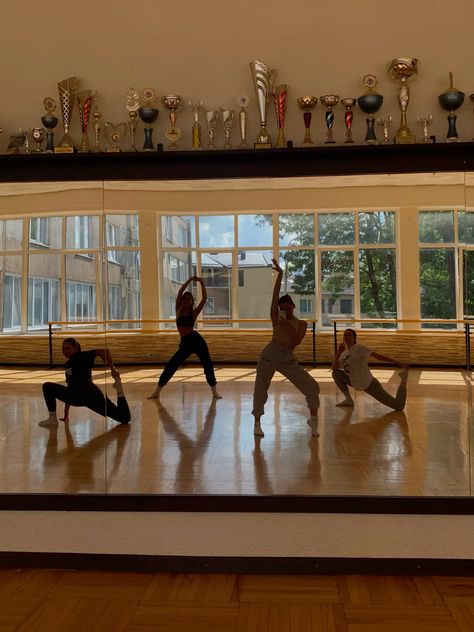
I grew up doing figure skating, gymnastics (in my early years), and dance, which ultimately became my top priority throughout most of my life. Among these, it was dance that most profoundly shaped my instinct for comparison. Since I was nine, I have been involved in competitive Highland Dance, a discipline that stands apart from others, with the exception of ballet. Highland Dance is rigid, with lots of structure, strict rules, and extreme technicality. Unlike team-based dance styles, Highland Dance is inherently competitive—it’s you against every other dancer, regardless of whether they belong to your school or not. During competitions, three dancers perform the same routine, each striving for precision and excellence to outshine their competitors. In class, I was driven by a desire to be the best, and fortunately, I possessed a natural talent that propelled me forward. The validation I received from my achievements was unparalleled, and I quickly moved through the levels, winning competitions along the way. However, throughout this journey, I attributed my confidence solely to my success in dance, overlooking the challenges and pressures that were also manifesting.
I vividly recall entering warm-up rooms at competitions, where I would immediately begin analyzing every single competitor in my category, meticulously dissecting my features in comparison to theirs. I scrutinized everything—from body type to dance style—searching for any perceived advantage or disadvantage. While I take pride in having always been kind to my fellow dancers, as I believe it’s important not to project my insecurities and nerves onto others, there was an undeniable fire within me, a desperation to secure a win and prolong the validation that dance provided. I remember moments in class when one dancer would be singled out for executing a step better than everyone else, and I couldn’t help but compare myself to them, feeling a mix of envy and admiration. When I was the one recognized for my performance, a sense of pride would wash over me. In dance, competition is not confined to just the stage; every class becomes somewhat of a competition, a constant reminder that you are always competing, and that thought lingered in the back of my mind even though I would always try to ignore it.
Dance was my first love, the place where I felt completely safe and like my true self. The studio was my happy place, and I still have so much love for everyone I danced with and dance itself. But ever since I stopped at 18, there’s been this nagging void in my life. When something has been such a big part of who you are for so long, it’s really strange to suddenly not have it anymore. I miss that feeling of validation and purpose that dance gave me. Yet, through this experience, I’m constantly growing and evolving, learning to embrace new passions and discover different sides of myself. Each day brings new opportunities and a new chance to grow.
I encountered this instinct once again at a recent casting for a modeling agency. For me, modeling is an art form—a way to bring diverse vibes and ideas to life. However, like dance, the modeling industry is fiercely competitive. Many friends have advised me to maintain tunnel vision, emphasizing the importance of focusing solely on my own goals. Yet, as soon as I stepped into the building, I found myself instinctively analyzing and comparing everyone around me. Thoughts of self-doubt raced through my mind. Recognizing these thoughts for what they were, I drew upon my understanding of the roots of this instinct. This awareness allowed me to de-escalate my internal dialogue, making it easier to shift my focus inward. Instead of succumbing to comparison, I began to appreciate the beauty in everyone around me, celebrating their uniqueness rather than measuring my worth against theirs.
There are 7 billion people on this planet, each with their own unique qualities and experiences, making comparison an inevitable part of the human experience. However, it’s crucial to reflect on the origins of these feelings in order to develop healthier mechanisms for coping. While self-awareness can sometimes bring discomfort and even agony, it is ultimately a powerful tool for personal growth. By recognizing the behaviors and thought patterns that aren’t serving us, we can begin to dismantle the cycle of comparison and cultivate a more compassionate relationship with ourselves. Embracing our individuality allows us to appreciate the diverse tapestry of humanity, empowering us to celebrate our own journey without the weight of constant comparison against others. This way, we can transform comparison from a source of insecurity into a catalyst for self-acceptance and resilience.
In a world where comparison feels like second nature, it’s essential to break free from the cycle that often leads to self-doubt and insecurity. My journey through dance and modeling has taught me that while it’s easy to measure ourselves against others, true growth comes from embracing our individuality and celebrating our unique paths. By shifting our focus inward and recognizing the beauty in ourselves and those around us, we can transform the instinct to compare into a source of empowerment and learn to really appreciate and genuinely admire everyone around us. Your insecurities do not define you, you are so much more than them. Focus on you, your path, your journey and remember that what is meant for you will find its way to you.
 The Alma Blog
Leave a comment